
About Dry Eye
Dry Eye Syndrome & Treatments
What Is Dry Eye Syndrome
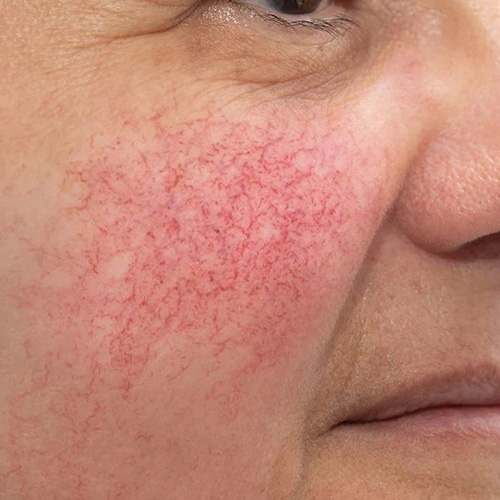
Dry eye syndrome is a common condition characterized by a lack of sufficient lubrication and moisture on the surface of the eye. This occurs when the eyes fail to produce an adequate amount of tears or when tears evaporate too quickly. Symptoms of dry eye syndrome may include persistent dryness, irritation, redness, a gritty sensation, and blurred vision. It can make wearing contact lenses uncomfortable and be accompanied by cosmetic issues on your face, such as rosecea. Factors such as aging, environmental conditions, certain medications, and underlying health issues can contribute to the development of dry eye syndrome. Fortunately, at Nik Eye Care we offer cutting edge treatments to end your suffering.
Symptoms
Dry eye disease can manifest with a variety of symptoms, which may vary in severity from person to person. Common symptoms of dry eye disease include:
Dryness: A persistent sensation of dryness or grittiness in the eyes is a hallmark symptom of dry eye disease.
Irritation: The eyes may feel irritated, scratchy, or sore, particularly after prolonged periods of reading, using a computer, or being exposed to dry or windy conditions.
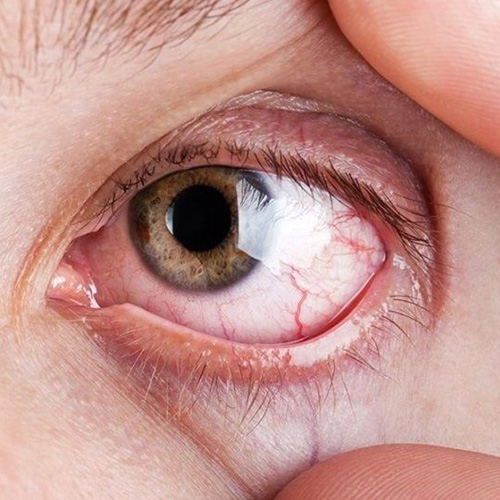
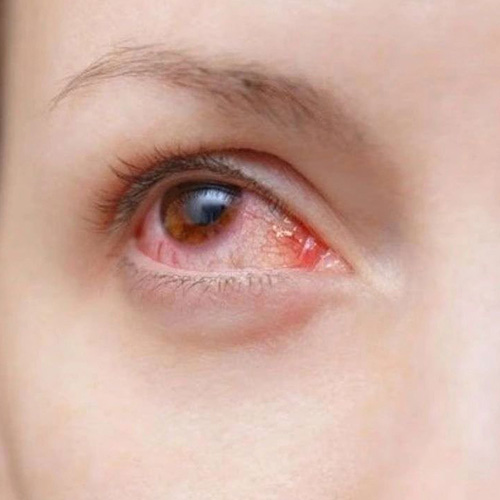
Redness: Dry eye disease can cause redness in the eyes due to irritation and inflammation of the ocular surface.
Watery Eyes: Paradoxically, some individuals with dry eye disease may experience excessive tearing as the eyes attempt to compensate for the lack of adequate lubrication.
Rosacea: The same underlying causes of dry eye disease also causes rosacea and broken blood vessels on the face.
Difficulty Wearing Contact Lenses: Individuals who wear contact lenses may experience discomfort, difficulty inserting or removing lenses, or increased lens intolerance due to dry eye symptoms.
Blurred Vision: Vision may become intermittently blurry, especially during activities that require focused visual attention, such as reading or driving.
Sensitivity to Light: Increased sensitivity to light, known as photophobia, is another common symptom of dry eye disease.
Eye Fatigue: Dry eyes can lead to eye fatigue or a feeling of heaviness, particularly after prolonged periods of visual concentration.
Discomfort with Wind or Air Conditioning: Exposure to windy or air-conditioned environments may exacerbate dry eye symptoms, causing increased discomfort.
Mucus Discharge: Some individuals with severe dry eye disease may experience a discharge of mucus or stringy strands from the eyes.
What Causes Dry Eye?

Water
The aqueous layer makes up the bulk of your tear film, however your lacrimal gland may not be functioning properly enough to supply adequate water.
The aqueous layer makes up the bulk of your tear film, however your lacrimal gland may not be functioning properly enough to supply adequate water.
Oil
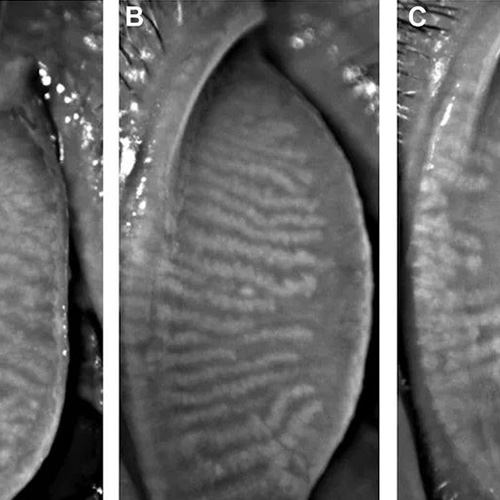
The oily component of your tear film Is critical to protect your tears from evaporating between blinks, however your oil glands may be clogged. Of those with dry eye, 86% have an oil gland dysfunction.
The oily component of your tear film Is critical to protect your tears from evaporating between blinks, however your oil glands may be clogged. Of those with dry eye, 86% have an oil gland dysfunction.
Inflammation
All dry eye is rooted in inflammation, but some have significant inflammation, potentially driven by systemic disease and lifestyle contributors.
All dry eye is rooted in inflammation, but some have significant inflammation, potentially driven by systemic disease and lifestyle contributors.
Bacteria
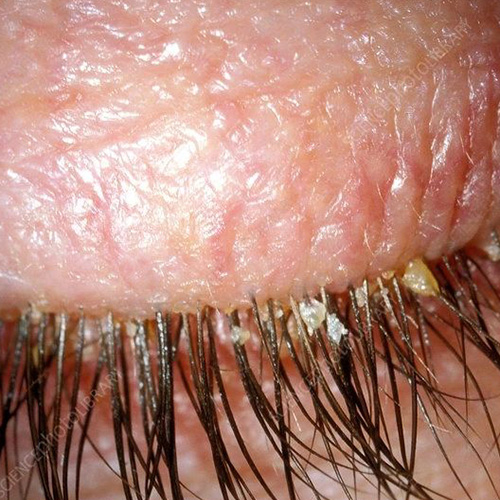
The eyelid margin and eyelash follicles often harbor bacteria, biofilm, and even mites. Toxins are released into the tear film, causing additional inflammation and irritation.
The eyelid margin and eyelash follicles often harbor bacteria, biofilm, and even mites. Toxins are released into the tear film, causing additional inflammation and irritation.
Lid Function
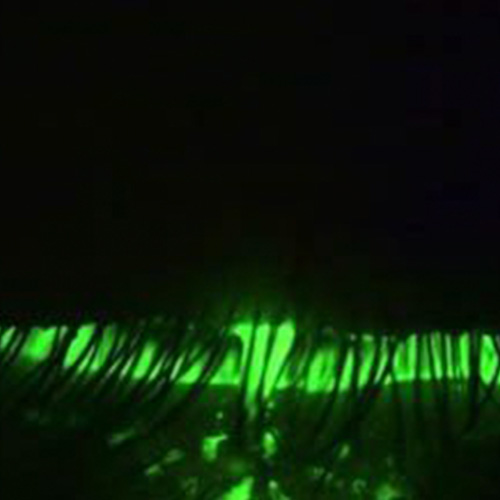
If your lids do not fully seal during sleep, your eyes will dry out during the night. Additionally, if you do not blink fully or frequently enough due to structural issues or habit, the eyes will dry and burn.
If your lids do not fully seal during sleep, your eyes will dry out during the night. Additionally, if you do not blink fully or frequently enough due to structural issues or habit, the eyes will dry and burn.

Environmental
Lighting and air quality influence the comfort of your eyes, especially with device use. Many will blink less frequently and less completely when using a device, causing the eyes to dry with exposure.
Lighting and air quality influence the comfort of your eyes, especially with device use. Many will blink less frequently and less completely when using a device, causing the eyes to dry with exposure.
Systemic
Autoimmune disease, Sjogren’s Disease, metabolic disease, stress, lack of sleep, and poor diet drive inflammation in the body and contribute to your ocular surface issues.
Autoimmune disease, Sjogren’s Disease, metabolic disease, stress, lack of sleep, and poor diet drive inflammation in the body and contribute to your ocular surface issues.
Allergies
You may have ocular allergies, even in the absence of systemic symptoms. Ocular hypersensitivities can cause your eyes to be red, watery, itchy or filmy.
You may have ocular allergies, even in the absence of systemic symptoms. Ocular hypersensitivities can cause your eyes to be red, watery, itchy or filmy.
How We Diagnose
If you already know that you have dry eye or if you are diagnosed at your regular eye exam, the next step is to schedule a Dry Eye Evaluation. During that exam, we will perform several of the following diagnostics to determine the extent of your dry eye disease and to tailor a treatment plan to your needs.
Firefly WDR & Diagnostic Report
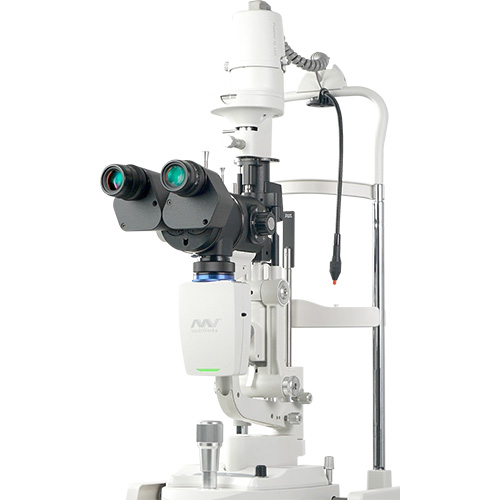
We utilize the Firefly WDR slit lamp to examine multiple factors which may contribute to your dry eye. Those include meibography, tear breakup time, tear meniscus height, and lipid layer thickness. These are all captured in an easy to consume diagnostic report.
Meibomian Gland Imaging & Expression
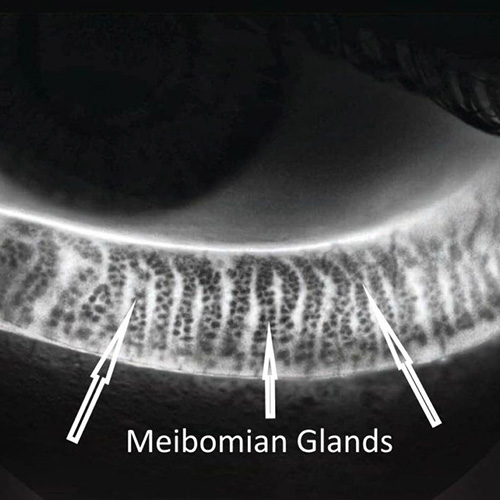
Of those with dry eyes, 86% have a problem with their meibomian glands. These glands are responsible for depositing oil into the tear film. If your tears lack oil, they will evaporate too quickly and cause you to feel dry. We will capture HD images of the glands to assess any atrophy, and we will clean and express the glands to see if they are clogged.
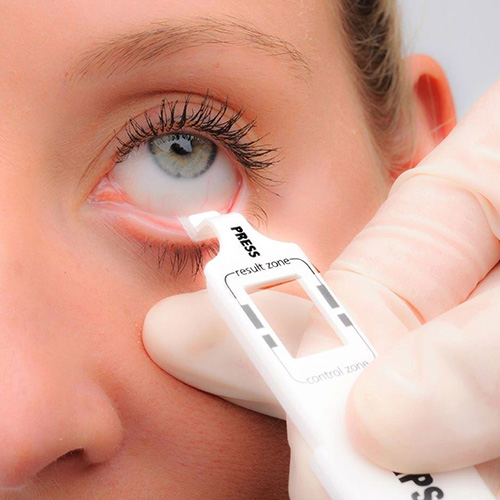
Inflammation Test
MMP9 is a specific inflammatory marker. Inflammadry detects the presence of elevated levels of MMP9, or inflammation, in the tears.
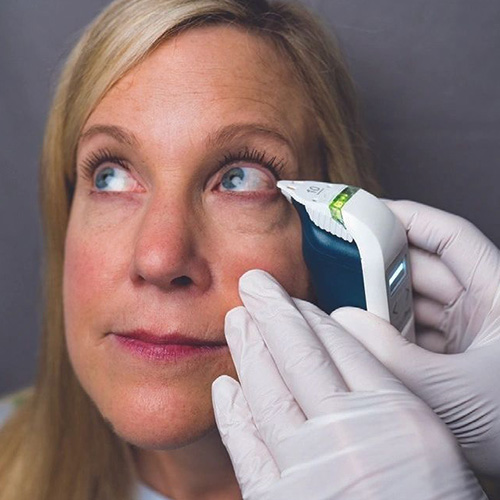
Tear Osmolarity Test
We test the particle concentration of the tears. Levels are elevated (high salt content) when there is not enough water and / or oil to dilute the tears. This hyperosmolarity drives inflammation.
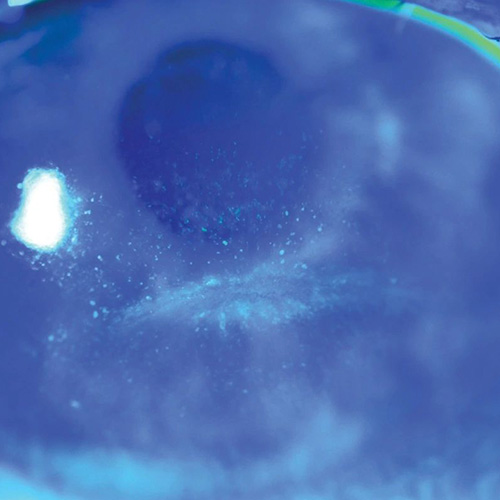
Vital Dyes
We place special dyes in the eye to highlight damaged cells on the cornea, conjunctiva, and lid margin. This aids in diagnosis and helps you visualize the current status of your ocular surface.
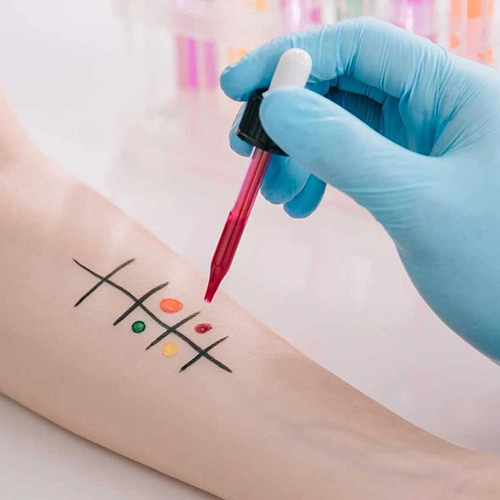
Allergy Tests
We can order diagnostic allergy tests of the most common environmental/airborne allergens, along with select animals and foods. This allows us to rule in or rule out allergies as the cause of the ocular symptoms.
Treatments
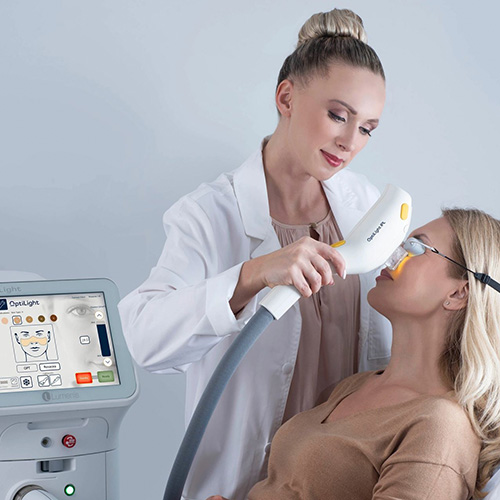
Optilight IPL Treatment
We offer Optlight by Lumenis IPL Treatment. Optilight is the first FDA approved IPL treatment for MGD, the leading cause of dry eye. Optilight attacks the inflammation which leads to oil gland damage and dry eye.
Learn More
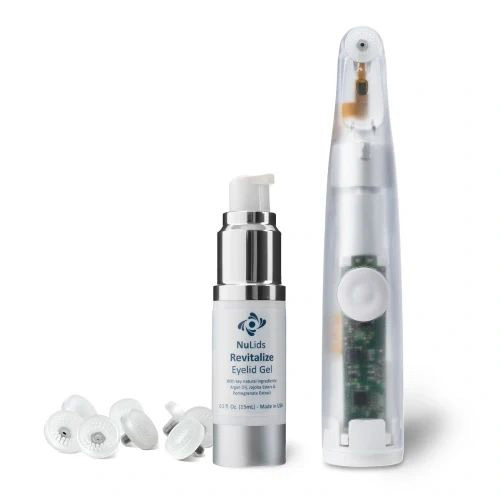
NuLids
NuLids provides relief for dry, red, itchy, swollen eyes by targeting the meibomian glands in the eyelids. We offer an easy in-office treatment as well as a device to use at home between treatments.
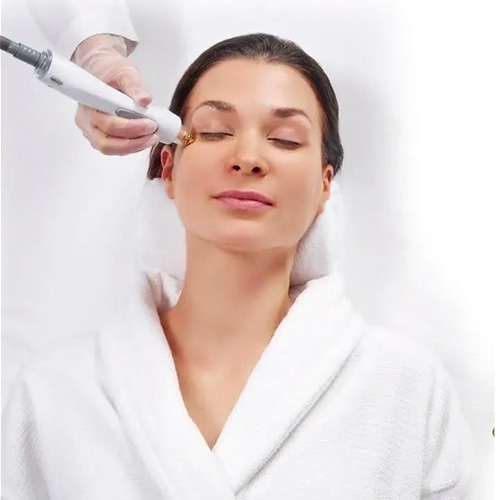
RF Treatment
Radio Frequency treatment helps to liquefy and express the meibomian gland secretions, improving the quality of the lipid layer of the tear film. This reduces tear evaporation and helps maintain ocular surface moisture. We typically include this treatment in conjunction with IPL.
Learn more
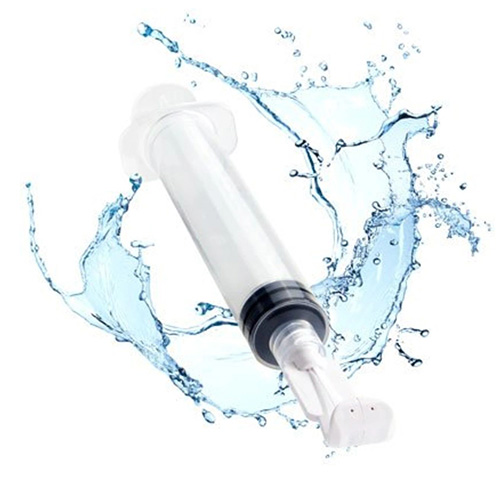
Rinsada
Rinsada uses high pressure saline targeted underneath the eyelid and in the deep recess called the fornix where normal rinsing can not reach. Rinsada resets the ocular surface of the inflammation, pollutants and allergens it harbors.
Lacrifill Canalicular Gel
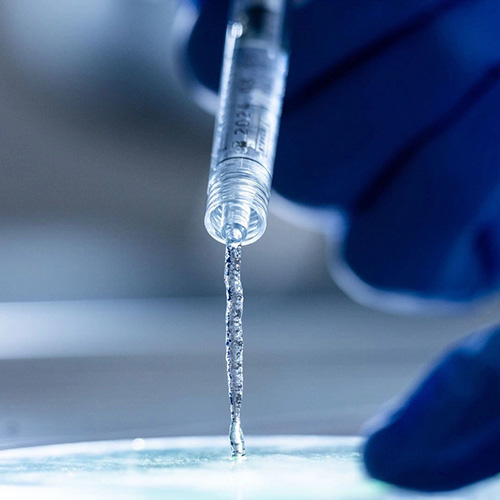
Lacrifill is the next generation of punctal plugs, which help keep more tears in the eyes. This exciting new technology is made exclusively of hyaluranic acid and water, both of which are naturally occurring in the body. This produces more gentle, longer lasting, customized plugs for your eyes.
Learn more
Prescription Medications
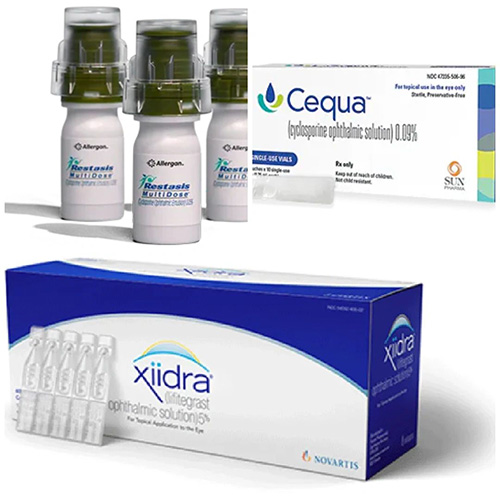
There are several new pharmaceuticals on the market which help reduce inflammation, increase tear production, and calm symptoms. We will prescribe the one which is best suited for your case.
Heated Eye Masks
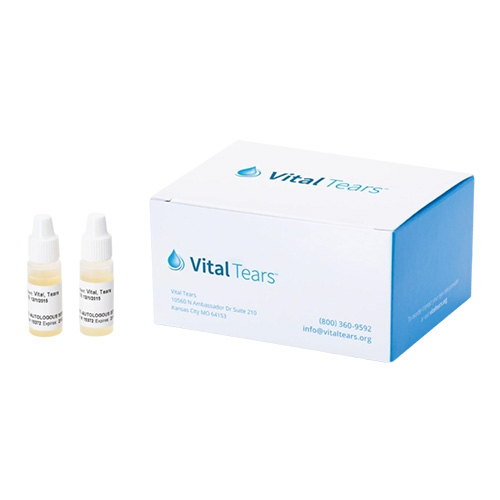
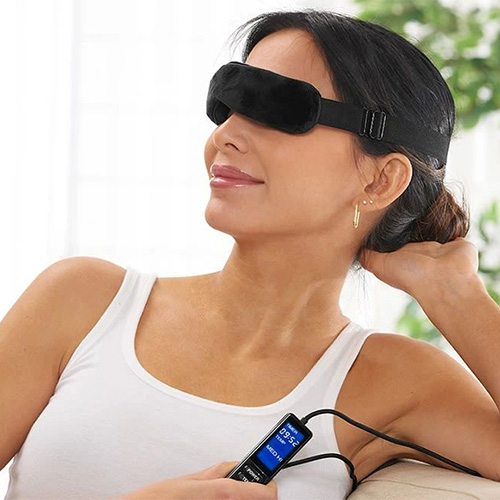
External Heat is an effective way of motivating meibomian oil glands. We will recommend utilizing different masks depending on your diagnosis and usage.
Learn More
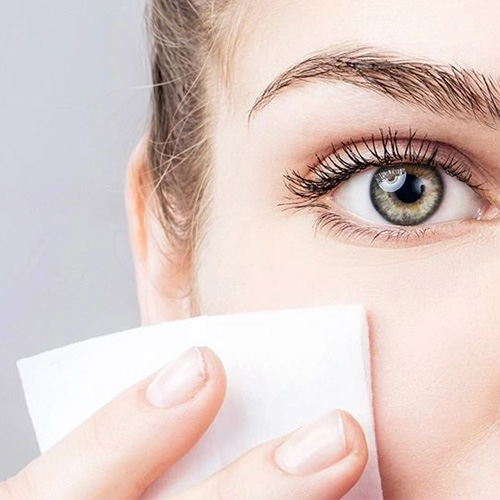
Eyelid Wipes and Cleansers
Nearly all people with dry eye symptoms can benefit by cleaning their lids daily. We will recommend the best and most gentle cleaning wipes for your eyes.
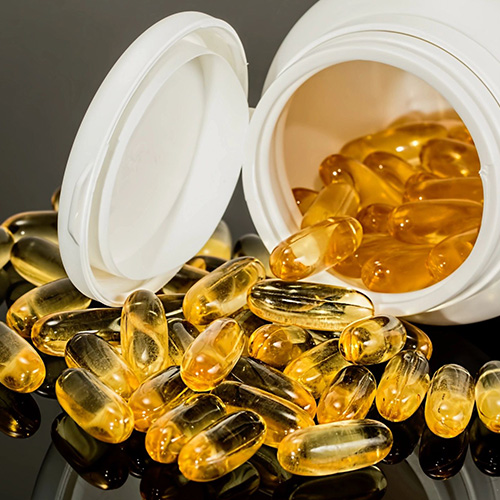
Nutraceuticals
Dry Eye patients can benefit from medical grade omega-3s, as studies show they decrease inflammation and improve gland oil secretions. We recommend only high-quality medical grade omegas, which removes alcohol, as that alcohol causes fish burps and GI issues.
SCHEDULE AN APPOINTMENT
Quick Links
Helpful Articles
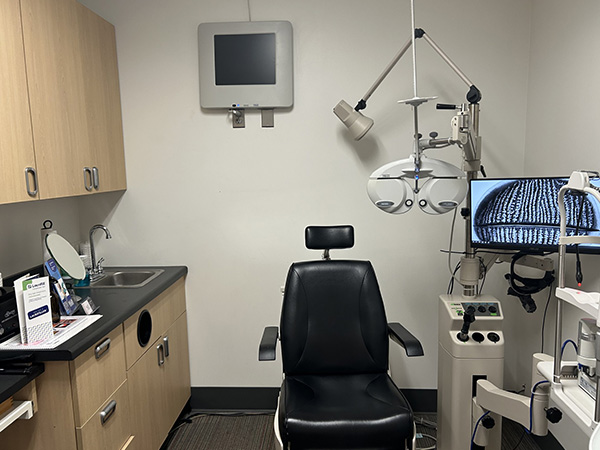
All Eye Care Services
Find personalized eye care excellence with our comprehensive services. From eye exams to advanced diagnostics, trust us for all your vision needs.

Keep In Touch
For non-urgent questions or to learn more about our services, contact us today!

- Monday 11:00am - 7:00pm
- Tuesday 10:00am - 6:00pm
- Wednesday 10:00am - 6:00pm
- Thursday 11:00am - 7:00pm
- Friday 10:00am - 5:00pm
- Saturday 9:00am - 5:00pm
- Sunday 11:00am - 3:00pm
- Monday
- Tuesday
- Wednesday
- Thursday
- Friday
- Saturday
- Sunday
- Monday
- Tuesday
- Wednesday
- Thursday
- Friday
- Saturday
- Sunday
© 2026 Nik Eye Care. All rights Reserved - Accessibility Statement - Privacy Policy - Sitemap
Managed and Designed by 